(425) 343-3924
(425) 343-3924

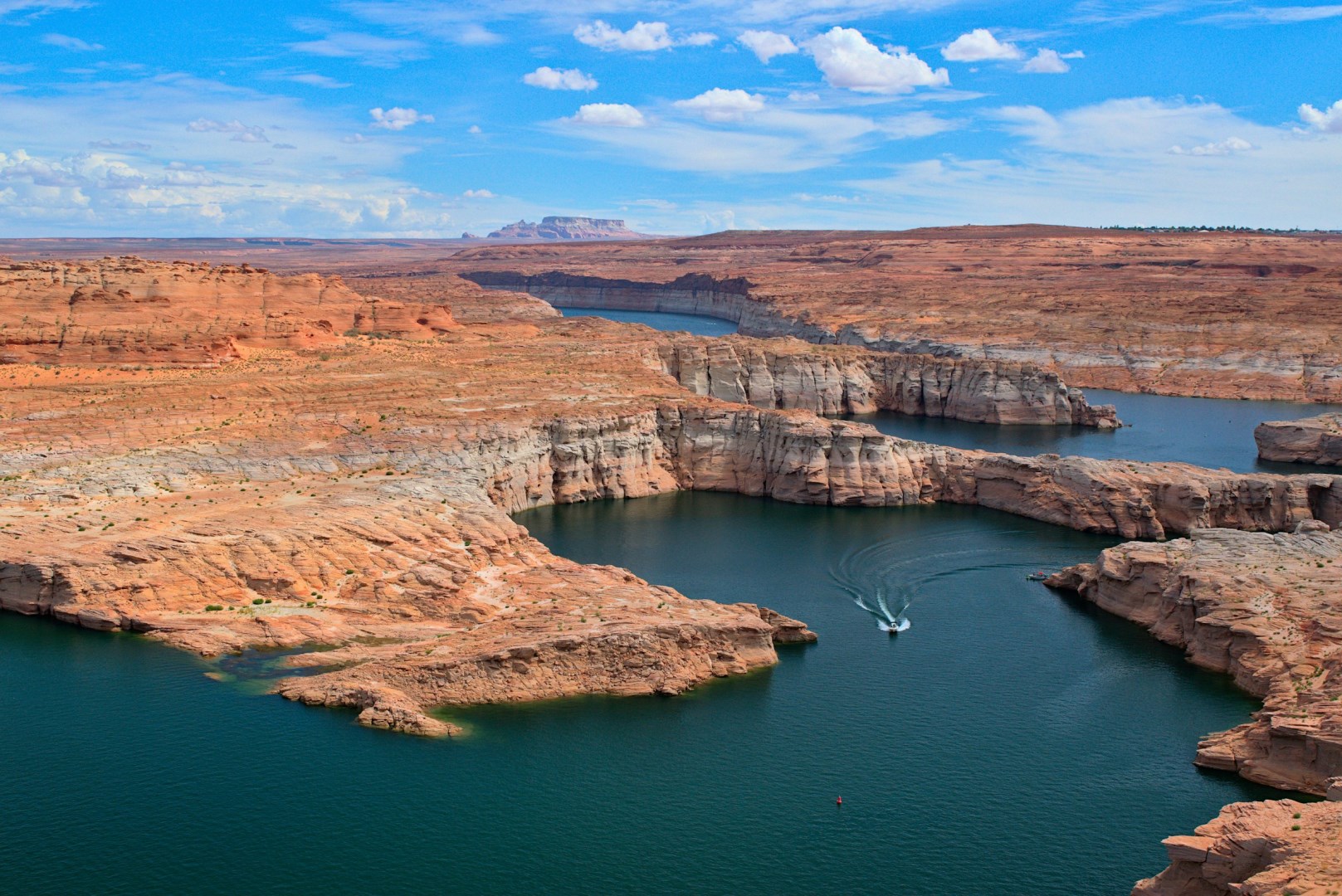
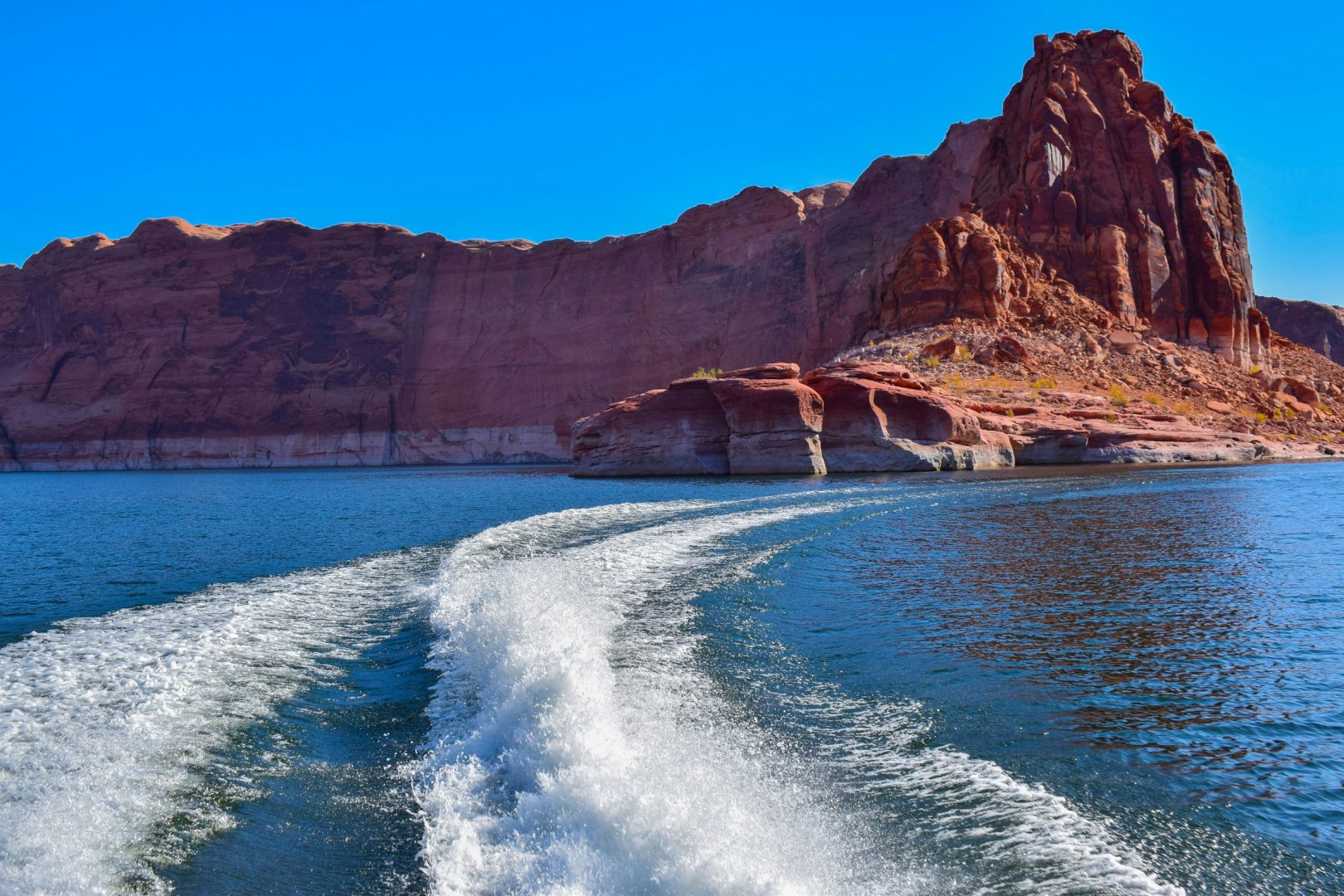

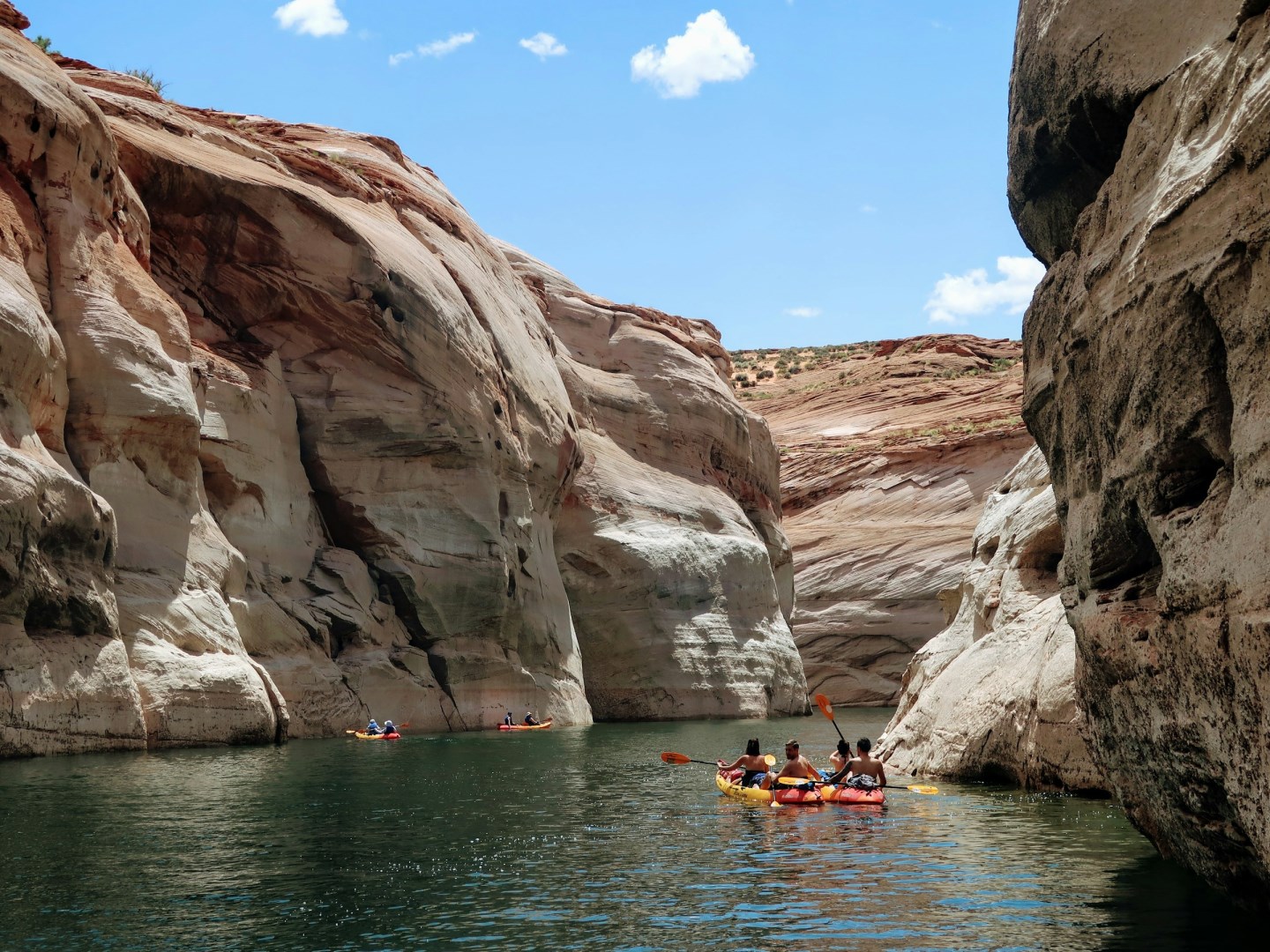
Lake Powell is a large reservoir on the Colorado River, extending through northern Arizona and southern Utah within Glen Canyon National Recreation Area. Near the Arizona community of Page, its blue water winds through a maze of red-rock canyons, mesas, cliffs, and narrow side channels. At full pool, the lake stretches about 186 miles and has nearly 2,000 miles of shoreline, although water levels vary considerably. Created by Glen Canyon Dam, Lake Powell is one of the largest man-made lakes in North America and has become a defining feature of the Colorado Plateau landscape.
The Lake Powell region has a long human history that predates the reservoir, with archaeological sites and cultural resources documenting thousands of years of human presence in Glen Canyon. Several Indigenous communities, including the Hopi Tribe, Navajo Nation, Kaibab Paiute Tribe, and other associated tribes, maintain cultural connections to the surrounding landscape. The construction of Glen Canyon Dam transformed the Colorado River corridor and flooded portions of the original canyon system. Today, the National Park Service protects archaeological sites, historic resources, and cultural landscapes throughout Glen Canyon National Recreation Area while working with descendant communities.
Lake Powell's winding shoreline creates access to numerous canyons and landmarks, many of which are easiest to reach by boat. Boating, kayaking, fishing, swimming, and camping are major activities, with marinas at Wahweap, Antelope Point, Bullfrog, and Halls Crossing providing access to different sections of the lake. Rainbow Bridge National Monument can be reached by boat followed by a trail, or by a longer hiking route from the surrounding plateau. Glen Canyon Dam, just upstream from Page, is another major landmark, while nearby Horseshoe Bend provides an overlook of the Colorado River below.
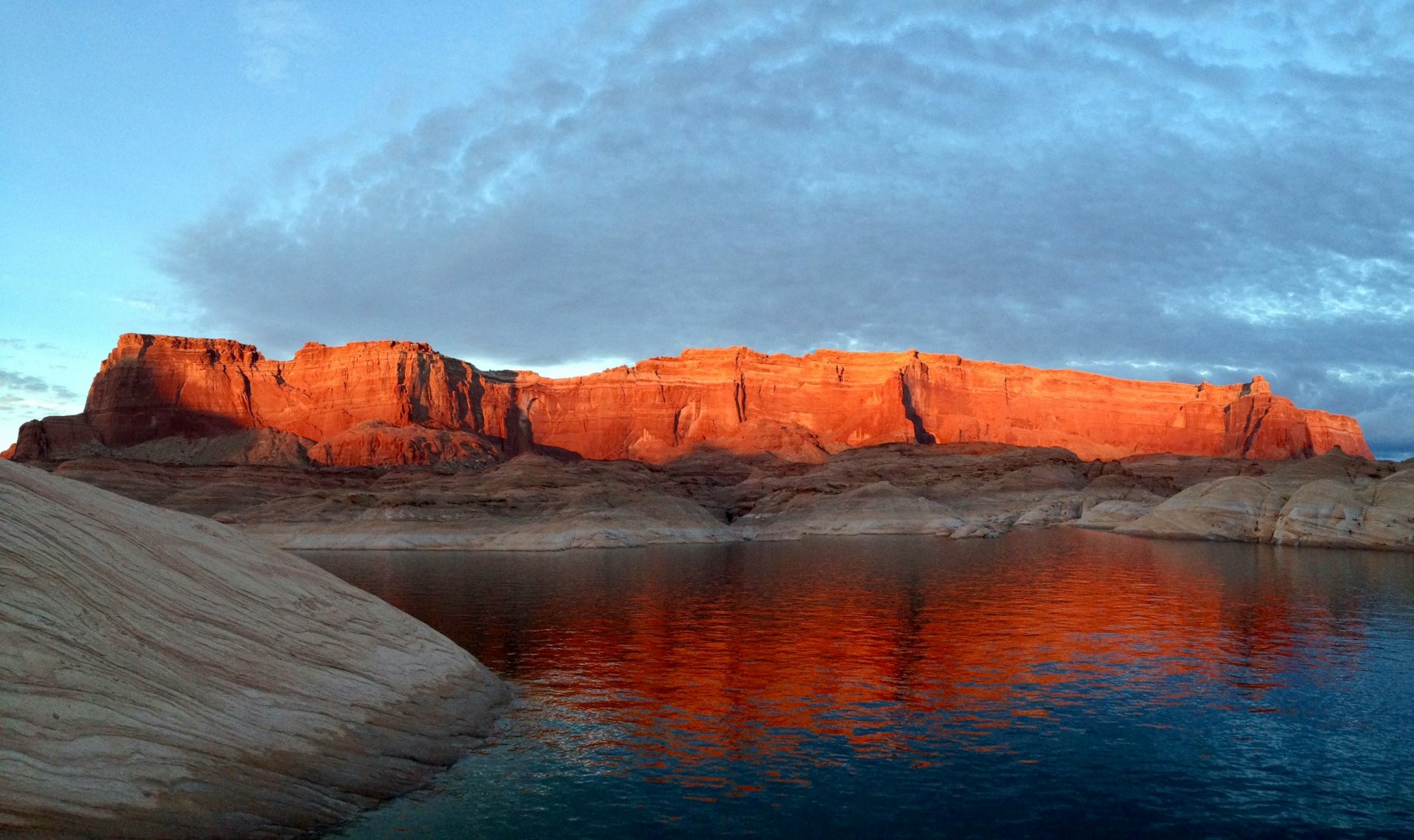
The lake's recreation culture has encouraged a food scene centered on casual dining in nearby Page and at marina facilities, where visitors can find Southwestern dishes, burgers, sandwiches, and seafood. Houseboating is particularly associated with Lake Powell, allowing visitors to travel deep into the canyon system while carrying their own supplies and camping equipment. One distinctive geological feature is the visible pale band sometimes called the “bathtub ring,” created when minerals in the water were deposited on sandstone along the former high-water line. The surrounding cliffs and canyons also expose layers of Colorado Plateau sandstone shaped by erosion.